Essential Guide to Pediatric Dental Care: Tips for Healthy Smiles in Children
Children's dental care represents a crucial component of their general wellbeing. Early check-ups can prevent serious dental issues later in life. Developing proper tooth care practices during early years is essential. Diet equally contributes to keeping teeth strong and healthy. Being aware of frequent dental concerns in young patients supports preventive care. However, many parents struggle to make dental care enjoyable. Discovering practical approaches results in better dental outcomes for kids.
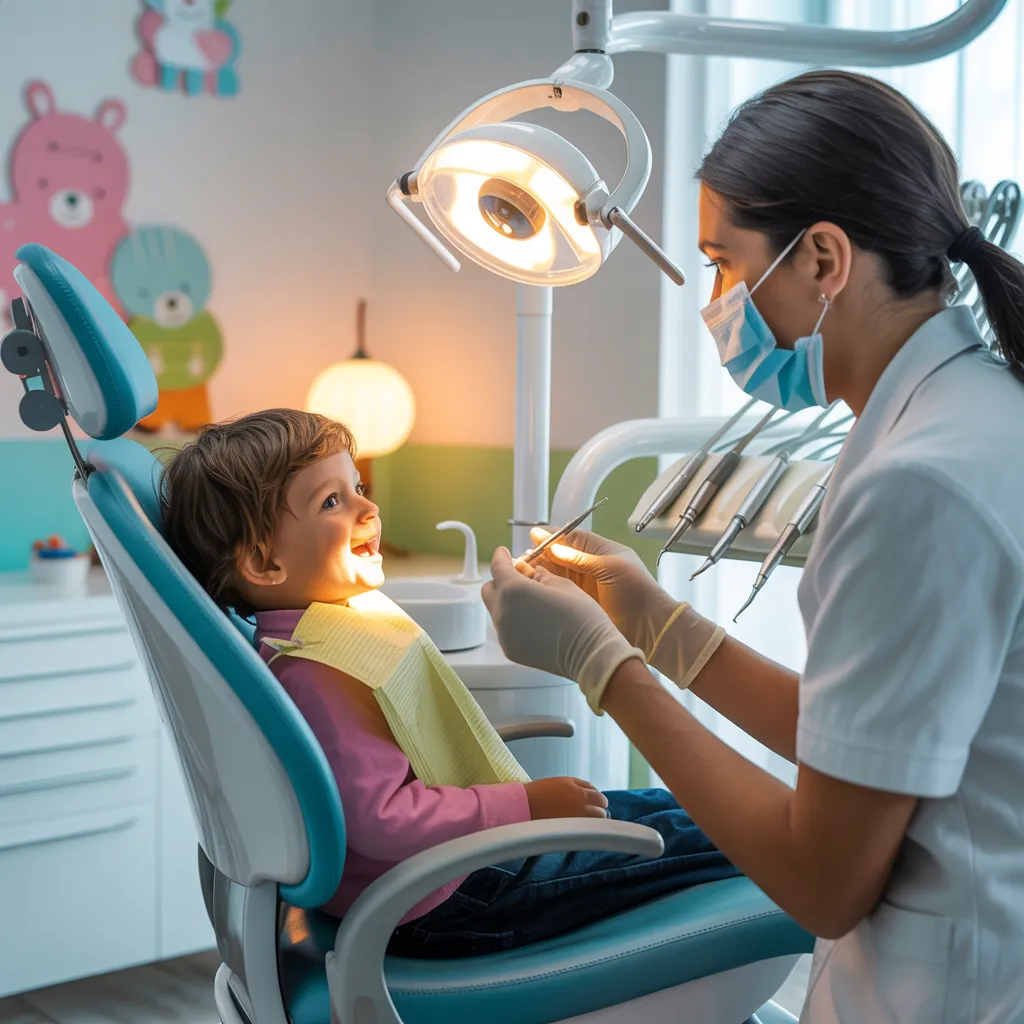
The Value of Early Dental Visits
Although several parents might underestimate the value of dental care for young children, early dental check-ups play an important role in creating a foundation for lifelong oral health. These appointments typically initiate around the age of one, coinciding with the eruption of the first teeth. During these visits, pediatric dentists examine dental development and can spot potential issues, such as cavities or alignment concerns, before they escalate.
Initial check-ups additionally provide an opportunity for parents to receive direction on best practices for oral hygiene, dietary choices, and the prevention of dental diseases. By cultivating a positive relationship with dental care at a young age, children are more likely to maintain these habits into adulthood. Furthermore, regular visits help alleviate anxiety associated with dental procedures, making future appointments more manageable. Ultimately, early dental check-ups are essential for promoting healthy smiles and instilling lifelong oral health practices.
Developing Proper Dental Hygiene Habits
Establishing good oral hygiene routines early in life is vital for children's long-term dental health. Parents serve an important role in instructing their children the importance of brushing and flossing. It is recommended that caregivers begin cleaning infants' gums with a soft cloth after feedings and introduce a little, soft-bristled toothbrush once the first tooth emerges. Children should be encouraged to brush twice each day with fluoride toothpaste, ensuring they use only a pea-sized amount.
In addition, making dental care a fun and engaging routine can foster positive attitudes toward oral hygiene. Parents could try using musical elements or time-tracking tools to make brushing pleasant. Routine dental check-ups support these habits and deliver professional guidance. By instilling these practices early, children are apt to maintain good oral hygiene throughout their lives, reducing the risk of cavities and other dental problems.
How Nutrition Affects Your Dental Wellness
Adequate nutrition is vital for preserving kids' oral health. A nutritious diet packed with vitamins and minerals is vital for fostering robust dental and gum development. Calcium, available in dairy items and leafy vegetables, reinforces dental structure, whereas phosphorus assists with enamel restoration. Additionally, vitamin C, present in fruits and vegetables, helps keep gums healthy and combat inflammation.
Conversely, excessive consumption of sugary foods and beverages can cause tooth decay. Sugar reacts with bacteria in the mouth, forming acids that break down enamel. Parents need to emphasize whole foods such as fruits, vegetables, whole grains, and lean proteins, and minimize sugary snacks and drinks to support excellent dental health.
Proper hydration plays a vital role; water works to eliminate food particles and bacteria. Through establishing healthy food choices, parents can considerably influence their children's long-term dental health, establishing the groundwork for a lifetime of strong teeth and gums.

Prevalent Tooth Problems in Children and How to Stop Them
Sustaining a nutritious diet not only encourages healthy teeth but also assists in stopping common dental issues among children. Cavities, often caused by sugary foods and insufficient oral hygiene, rank as one of the most prevalent dental problems. To mitigate this risk, parents should encourage regular brushing and flossing, ideally twice a day. Furthermore, dental sealants can provide an extra layer of protection for molars, which are particularly prone to decay.
A further concern is misalignment, which can cause difficulties like overcrowding or bite problems. Consistent dental check-ups can identify these concerns early, permitting timely intervention. Furthermore, thumb-sucking and prolonged pacifier use can compromise dental development, so parents should watch and curtail these habits.
Making Dental Care Enjoyable for Kids
Making dental care enjoyable for children can transform a routine chore into a playful task. Engaging children through interactive methods makes oral hygiene less daunting. Parents can utilize colorful toothbrushes and flavored toothpaste, which makes the routine visually appealing and palatable. Creating a dental care chart that rewards kids with stickers for daily brushing can motivate them to participate actively.
Role-playing games can also enhance excitement; kids might have fun acting as dental professionals or their clients. Including musical content or engaging clips regarding tooth cleaning can additionally amuse them while teaching correct methods. Organizing family brushing sessions turns it into a bonding activity, strengthening the significance of oral hygiene.
In addition, storytelling can enable children comprehend the critical nature of dental care through imaginative narratives showcasing their favorite characters. By utilizing these techniques, parents can develop lifelong read here dental habits in their children while making certain that the process remains enjoyable and engaging.
FAQ
What Age Should My Child First Visit the Dentist?
A child should first visit the dentist by their first birthday or within six months after their first tooth appears. Starting dental care early promotes good oral hygiene practices and allows monitoring of the child's dental development.
How Many Times Should Children Brush Their Teeth?
Children should brush their teeth at least twice a day. Consistent brushing helps remove plaque and prevent cavities, fostering good oral hygiene habits early in life. Caregivers have a vital part in making sure this habit is formed.
Is Fluoride Application Safe for Young Children?
Fluoride treatments are commonly viewed as safe for younger kids when administered by a dental care provider. These treatments work to strengthen teeth and stop tooth decay, but parental guidance and appropriate dosage levels remain vital to provide safe and effective results.
When Should My Child Switch to a Manual Toothbrush?
Kids should generally transition to a manual toothbrush around age six, when they build the coordination essential to effectively use one. Parents should monitor brushing to verify proper technique and thorough cleaning of teeth.
What Should I Do if My Child Has a Dental Emergency?
In a dental emergency, one should remain calm, assess the situation, and seek immediate professional help. Gently cleanse the impacted area, manage any blood flow, and refrain from providing the child with food or beverages.